Emigration, deurbanisation and lost migration capital at WIC 2025
2025 December 01
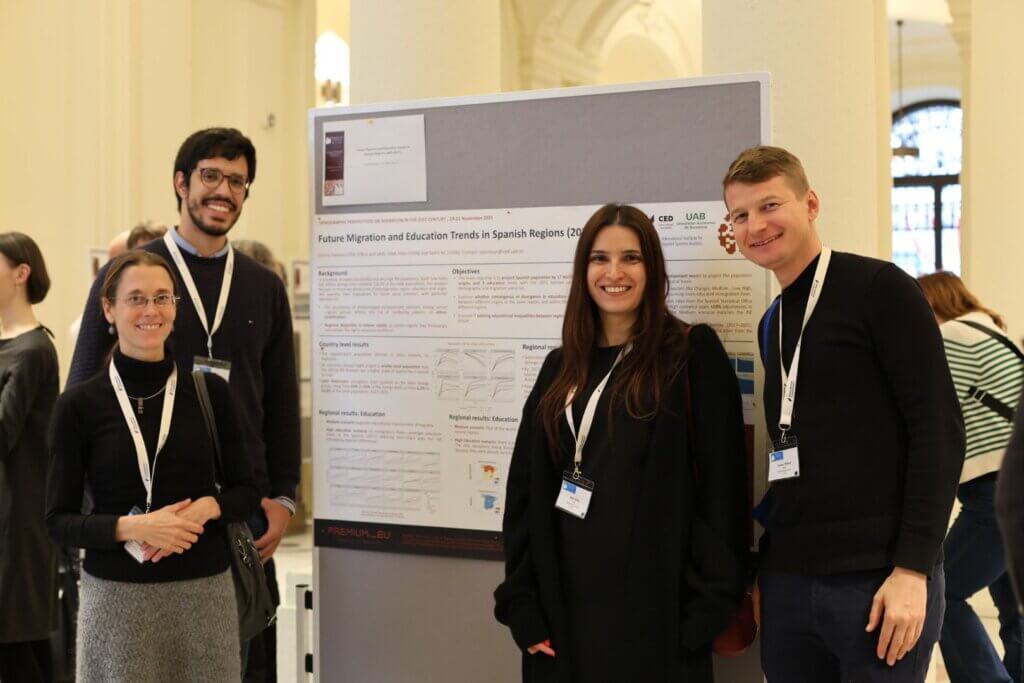
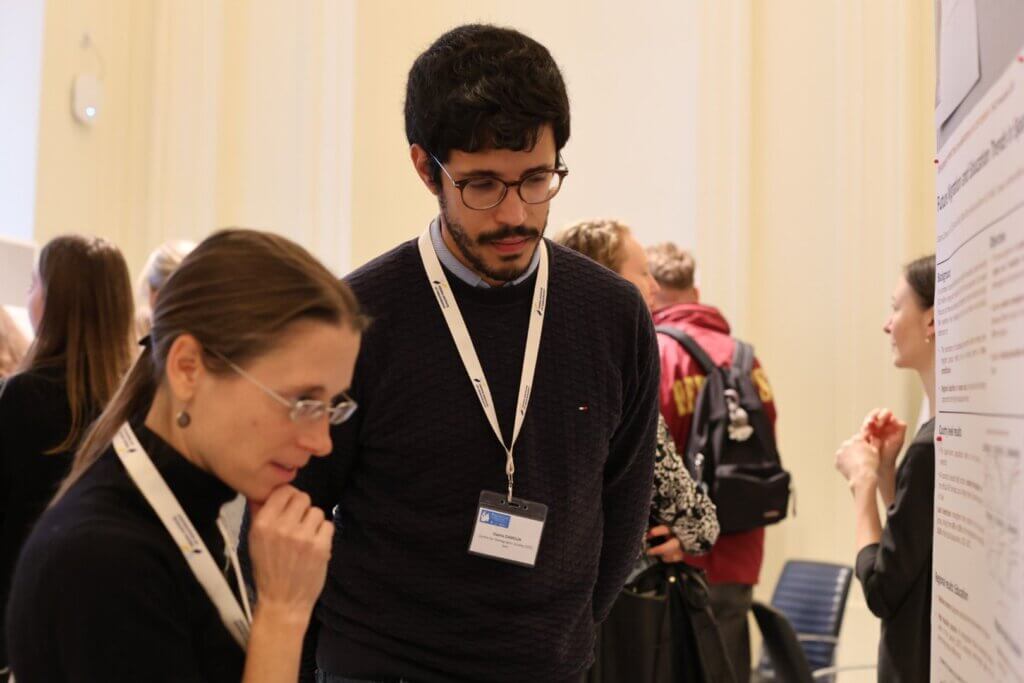
On 19–21 November, leading researchers gathered in Vienna for the Wittgenstein Centre’s Annual Conference (WIC2025): Demographic Perspectives on Migration in the 21st Century. The event brought together demographers and scholars working on the drivers, patterns and consequences of migration, with discussions spanning population change, labour markets, inequalities and regional development. PREMIUM_EU contributed research presentations that added new case insights to these debates: one on the spatial dynamics of emigration among immigrant populations, another on how migration capital is created, used, and sometimes lost in Europe’s vulnerable regions.
Understanding how emigration reshapes immigrant settlement patterns
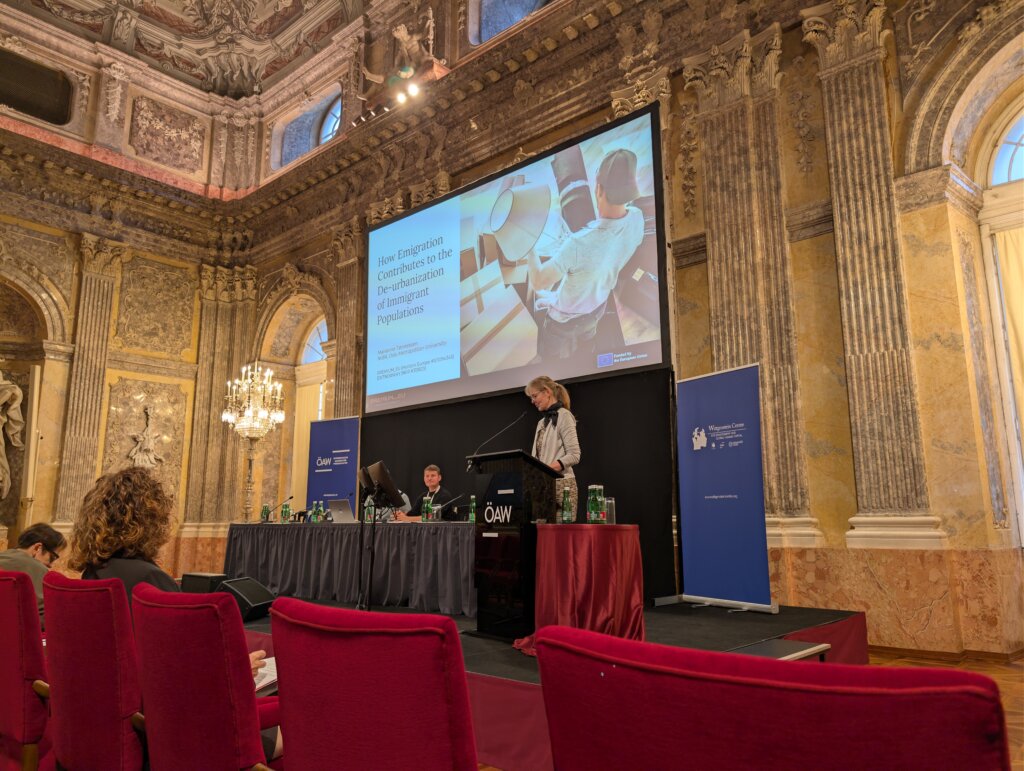
PREMIUM_EU researcher Marianne Tønnessen (Oslo Metropolitan University) presented new analysis from Norwegian register data on how emigration contributes to the deurbanisation of immigrant populations.
Using full arrival cohorts from 2000–2013, the study follows immigrants for ten years after arrival, comparing patterns across seven admission categories (including labour migrants, refugees, Nordic citizens and family migrants).
The findings show that:
Immigrants living in Norway’s most urban areas have higher emigration rates than those in less central regions.
As a result, the remaining immigrant population becomes less urbanised over time, even though many newcomers initially settle in cities.
For several immigrant groups, this deurbanising effect of selective emigration outweighs the urbanising influence of internal mobility within Norway.
These insights offer an important reminder for policymakers: population change is shaped not only by where immigrants move, but also by where they leave. Understanding these spatial dynamics is central for European regions developing long-term strategies on labour supply, integration and rural settlement.
When migrant skills go unused: the ‘waste of migration capital’
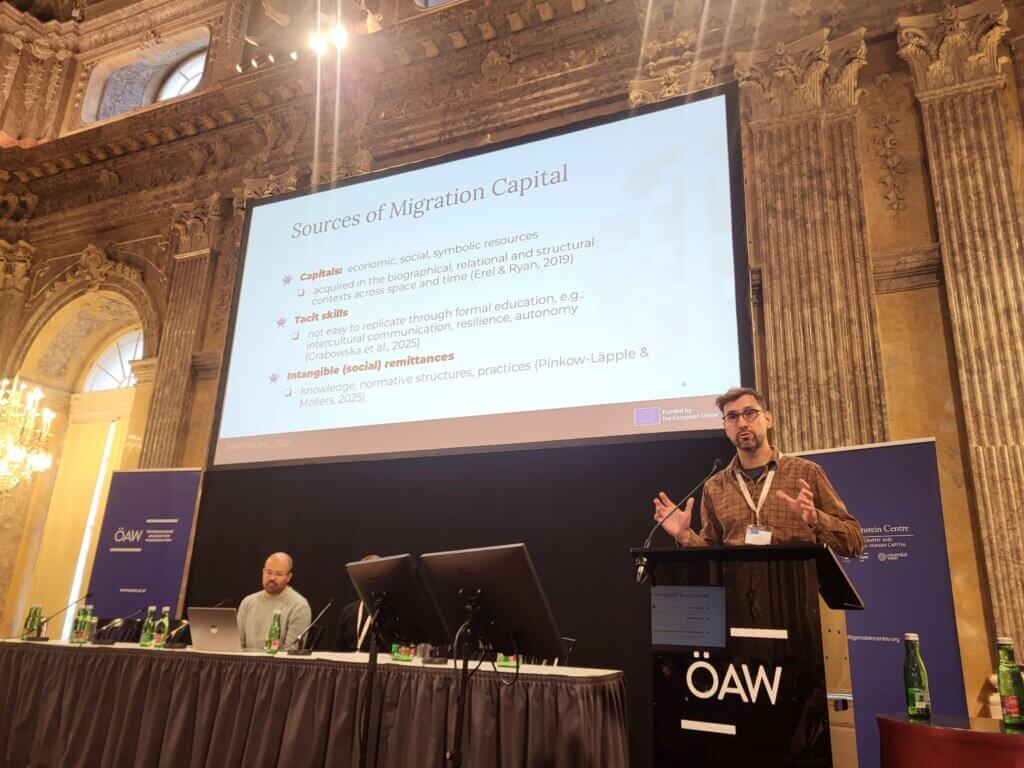
A second PREMIUM_EU contribution, by Michał Wanke, Konrad Pędziwiatr (Krakow University of Economics), Hilal Arslan, Alanur Cavlin and Ayse Abbasoglu Ozgoren (Hacettepe University Institute of Population Studies), examined how migrants accumulate knowledge, skills and networks abroad—collectively referred to as migration capital—and why this capital is often difficult to use once migrants return to vulnerable regions in Europe and Türkiye.
Drawing on qualitative case studies with return and shuttle migrants in Poland and Türkiye (2023–2025), the team highlighted three types of migration capital:
Economic, social and symbolic resources, gained through biographical and structural experiences abroad.
Tacit skills, such as resilience, intercultural communication or situational problem-solving, which are difficult to formalise.
Intangible (social) remittances, including new norms, practices and worldviews brought back to home communities.
The study identifies conversion frictions at macro, meso and micro levels that prevent returnees from using this capital productively. These include:
Misrecognition of foreign qualifications, wage devaluation and rural–urban inequalities.
Gendered and family dynamics limiting career opportunities.
Self-limiting choices or difficulty translating transformative experiences into economic outcomes.
These barriers illustrate why return migration does not automatically contribute to regional development, and why evidence-based policies are necessary to reduce “waste” of valuable skills and knowledge.
Why this matters for PREMIUM_EU
Both presentations underline core questions at the heart of PREMIUM_EU: How do migration flows reshape regional demographic futures? Which skills, resources and aspirations do migrants carry with them and how can regions better recognise and benefit from them?
PREMIUM_EU’s work investigates these processes across Europe’s regions and translates them into a practical Resilient Regions Policy Dashboard designed to help policymakers understand mobility trends, identify opportunities and risks, and tailor attraction or retention strategies. (Learn more by joining the webinar and dashboard sneak preview on 27 January!)
The perspectives shared in Vienna underscore the importance of integrating demographic analysis with lived experiences of migration. As Europe’s regions confront ageing populations, labour shortages and uneven development, such evidence becomes essential for designing policies that turn human mobility into a resource rather than a vulnerability.
Thank you to the organising committee behind WIC2025, including PREMIUM_EU consortium members Dilek Yıldız, Claudius Ströhle and Michaela Potančoková from the International Institute for Applied Systems Analysis.